DON’T BE SO HARD ON YOURSELF
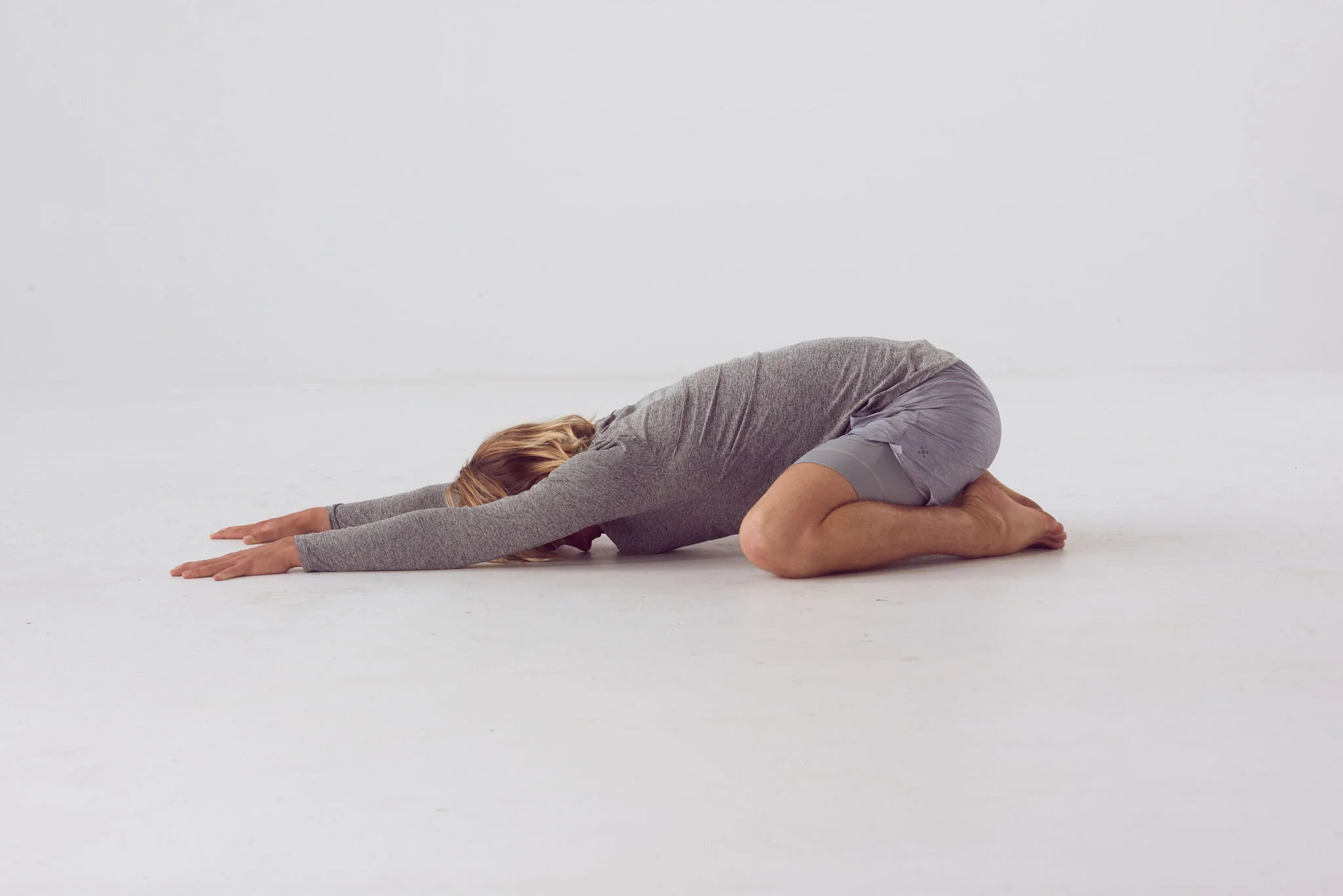
The problem I face most on my quest to achieve the highest level of performance with my body is rest, or ‘lack of rest’ I should say.
Of course, there is so much more to being healthy than ‘rest’, such as diet, sleep quality, genetics, mindfulness, etc, but in this article i’m only talking about finding the optimal balance between rest and movement.
You can only train as hard as what you can recover from, and I found this out the hard way. After gradually increasing the load of my training, over the course of a few years, I found myself living in a routine I couldn’t sustain. I became tired, drained and cloudy. My body became weak and sore and I lost quite a bit of weight. By trying to achieve the strongest, healthiest and most energetic body possible I actually began achieving the opposite, and it wasn’t for the lack of effort. It was because I forgot to listen to my body and be adaptive with my training depending on how I felt.
Rest is one of the most important aspects of embarking on a new fitness journey. By resting enough to recover from what you train from, you will ensure that your body is performing near it’s maximum potential, rather than always operating at a less-than-optimal state. It’s actually a big challenge to find the right balance between rest and practise (I use the word practise here, instead of training or work, because I like to think of my movement practise as just that, a practise. It’s something I continually aim to get better at). To progress as fast as we can while ensuring the least chance of injury or burning ourselves out, the first thing we need to focus on is finding this balance.
I’ve been too lazy (before I started focussing on my physical health) and i’ve been way too active (when I never gave my body a chance to rest and eventually burned myself out) and now I feel like i’ve just found the perfect balance between the two ends of the spectrum. Here’s what I focus on throughout the day to help keep myself in a state for optimal performance, to keep myself well rested amongst pushing myself to move and perform better.
1) Be adaptive with your ’schedule’. If you’re the kind of person who likes to plan what you’ll do in the gym or schedule each class that you’re going to practise every week, try to make sure that you’re willing to adapt your schedule depending on how you feel. Having everything planned shows a willing attitude to achieve your goals but the body doesn’t always stick to your schedule just because it’s what you want it to do or because it’s what you think is best for it. If you head to the gym one day and your body is sore, your energy is low and your lacking motivation, grinding yourself through a crazy workout is going to do more bad than good. Learn to listen to your body and adapt your movement practise around how you feel and your energy levels. Always try to ensure that your energy levels are high, your body feels good and you’re mentally motivated to begin moving. If you feel drained, poorly rested and sore before even beginning what you planned on doing, then perhaps show yourself some kindness and practise some Yin, work on a technique-based movement like handstands, meditate or take a walk, and let your body recharge before you demand things from it again.
2) Let every movement practise come from a place of love for yourself. It may sound corny but it’s a valuable piece of knowledge that i’ve learned through practising so much Yoga. Realise WHY you’re doing what you’re doing when you exercise and figure out if you’re being constructive or destructive to your body. You don’t need to obliterate yourself into a sweaty mess every time you exercise to get anything out of your practise - training like this is a great option if you want to burn yourself out or develop a bad relationship with exercise.
Stress can be good for the body in the right amount, it’s how we get stronger and faster, but it’s not something you need to look for every day in your movement practise. Instead of trying to achieve a certain level of fatigue in your practise to feel like you accomplish your goals, instead try to focus on your actual performance, the way your body feels and the quality and control of your movement. Practise being mindful with your movements, even if it’s something like playing tennis or going for a ride, and instead of focussing on the level of exertion you think you need to be giving, focus on the quality of movement. By moving in this way you’ll learn when it’s time to wrap up a gym session or a Yoga practise because you will feel when the quality of your movement is dropping. Exercising this way will drastically reduce your chance of injuring yourself and will also ensure that you’re not on the way to burning yourself out.
3) Take a rest day! It’s a very good idea, if you’re doing lots of exercise every day, to take a break and give yourself a chance to recover and recharge. An ideal rest day doesn’t involve eating chips and ice-cream all day while slouching in a bean bag watching high-octane action movies and UFC fights until bed time. Think of your rest days as a chance to show your body that you care about it. Do some gentle movement to mobilise your joints, drink lots of water and eat nutrient rich foods, hang out with friends and laugh as much as you can, and do something that creates a feeling of restoration for your body. Maybe a meditation, restorative yoga practise, massage or an afternoon nap could help.
So take a rest day when you feel like your body needs it, but use the day to give back to your body rather than looking at a rest day as a day to eat junk and revert back to being a caveman for 24 hours.
4) Take the first step. This is a helpful tip for those of you who struggle with laziness and motivation - ‘the hardest part of the practise is showing up’. If you know that you’re telling yourself excuses rather than reasons for why you shouldn’t get out of bed early to go and practise sprint intervals in the park, then gently remind yourself that the first step is always the hardest. I know the bed is warm and cosy but if you feel well rested and you know it’s laziness that’s deterring you from getting up then just take a minute to breathe deeply, and take the first step. The longer you dwell on it and try to come up with good excuses, the harder it will be to commit yourself to achieving your goals. It’s only a big deal if you make it a big deal. So just get dressed, drink some water and get amongst it!
Fatigue can also be misinterpreted as laziness for super active people so remember to pay close attention to your energy levels and how your body feels. If you’re really lacking motivation be sure to decipher the difference between laziness and fatigue.
5) It’s what you do MOST of the time that matters. Remember that life needs to be enjoyed and it’s important to find a good balance between doing what’s good for you and doing what’s fun. Don’t become so obsessed with your fitness goals that it sucks the fun out of life. Keep a healthy dose of good times throughout your days - let your hair down once in a while, blow off some steam, eat the damn cake! Whatever you do most of the time is what matters, so if you feel like you’ve been on a mission for too long and need to let go, then do it, and enjoy every second of it. Whether that means going clubbing, enjoying some drinks at the BBQ, eating dessert for once or going psycho at a buffet restaurant. You’ll find more motivation to refocus on your movement goals and you’ll also find a lot more enjoyment throughout life by not being overly-strict with yourself. Remember though, it’s what you do MOST of the time that matters. I’m not advising you to go on a bender every weekend and i’m not telling you it’s okay to be destructive to your body. All i’m saying is that you’re allowed to break routine every once in a while to enjoy the little things that make life so damn good.
6) Enjoy it all! When you’re moving, exerting, challenging and pushing yourself, try to enjoy it. Appreciate the effort, enjoy the challenge, feel grateful for what your body is already capable of doing. When you’re not moving, hanging out with friends or watching a movie, enjoy it! Don’t become obsessive about your movement schedule, allow yourself to enjoy other aspects of life. Whatever it is that you’re doing, give your attention to it, soak up each and every moment and find enjoyment with the task at hand. If you begin to feel like you’re not enjoying your movement practise as much as before then assess what needs to be done in order to find enjoyment again. Maybe changing the style of Yoga you practise, inviting new friends to join you when you practise, or taking up a new sport will keep things fresh and joyful for you.